
Journal · Training
Zone 2 Is
A Skill.
Most runners know how to run harder. Learning when not to might be the more important skill.
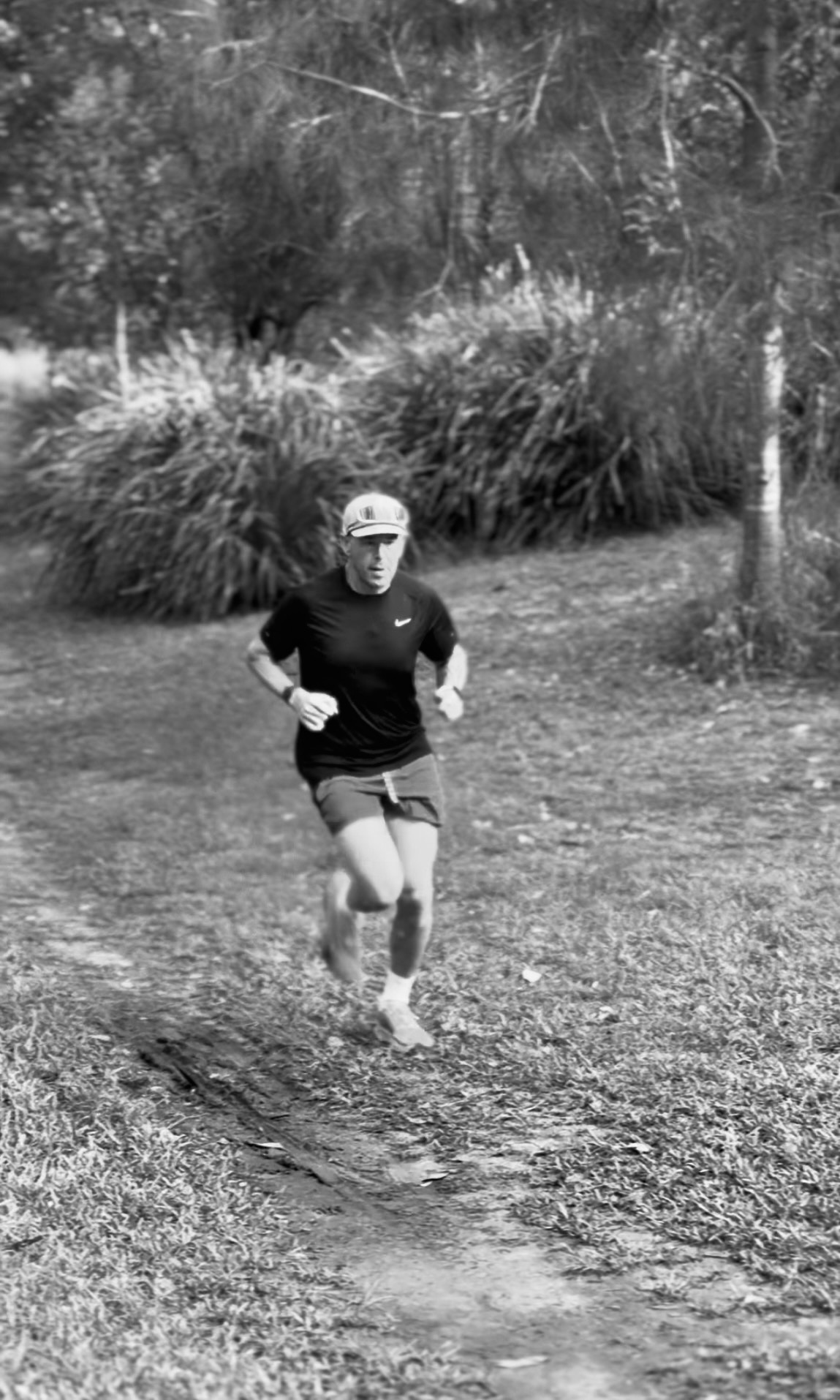
There's something I see all the time with runners. They head out for what is supposed to be an easy run. They feel good, the legs start turning over, they look down at the watch, and suddenly the pace begins creeping up. Not because the session called for it. Simply because they know they can run faster. That's where the ego starts getting involved, and it's one of the reasons I think Zone 2 running is a skill in its own right.
It sounds simple: run easy, stay controlled, keep the effort aerobic. But for a lot of athletes, that is actually harder than running fast.
Most running shouldn't feel hard
When I structure endurance training, a large proportion of the work is deliberately easy. As a broad coaching principle, I like most weekly running to sit at a genuinely aerobic intensity, with the smaller portion made up of threshold work, intervals, hills or other harder sessions depending on the athlete and their goal. It doesn't have to be an exact mathematical split every week. Training changes, race preparation changes and the athlete changes. But the principle remains: not every run needs to prove how fit you are.
Your easy days have a purpose. They help build aerobic endurance, allow you to accumulate volume and give your body the opportunity to absorb the harder sessions. If you're preparing for something like a half marathon or marathon, they also teach you how to stay patient for a long time. That last part matters more than people realise.
The problem with the watch
Modern running watches give us an incredible amount of information: heart rate, pace, distance, cadence, training load, recovery and estimated VO₂ max. All of that can be useful, but information can also become temptation. You're supposed to be running easily at 5:40/km. You look down and you're doing 5:25. You still feel comfortable, so you decide 5:15 probably won't hurt. Before long, what was supposed to be an aerobic run has become another moderate session.
It is not quite easy enough to recover from properly, but not hard enough to create the stimulus of a genuinely hard workout. It just sits somewhere in the middle. Do that often enough and training starts becoming tiring without necessarily becoming better.
Know what your easy actually is
This is why understanding your own training zones matters. Not somebody else's. Yours. For running, I prefer using threshold data rather than simply guessing from age. If you already have a reliable running lactate-threshold heart rate from a Garmin or another device, that can give you a useful starting point.
You can also establish your numbers with a properly executed running threshold test. One practical option is a 30-minute sustained running test. After a proper warm-up, you run for 30 minutes at the hardest evenly sustainable effort you can maintain. From that effort, the average pace for the full 30 minutes can be used as an estimate of threshold pace, while the average heart rate from the final 20 minutes can be used as an estimate of running lactate-threshold heart rate. Once you have those numbers, you can start building useful training ranges instead of guessing.
We've now created a free Running Zones Calculator on the Col de Sud website to help with exactly that. Enter your threshold pace and running LTHR and it will calculate your pace and heart-rate training zones, along with perceived-effort and talk-test guidance. But there's an important part of this that I never want athletes to forget.
Don't chase the number
Your zones are guides. They are not speed limits, and they are not perfect physiological walls. Your body doesn't know that your watch says your Zone 2 ends at a particular beat per minute. Heat changes things. Humidity changes things. Hills, wind, poor sleep, fatigue and life all change things.
There will be days when your normal Zone 2 pace feels effortless, and there will be days when that same pace feels too hard. That's why I want athletes using the numbers alongside something much older and simpler: feel. Can you breathe comfortably? Can you hold a conversation? Does the effort feel controlled? Could you continue beyond the planned duration if you needed to? If the answer is yes, you're probably doing what an easy aerobic session is meant to do.
Long runs are about more than fitness
This becomes especially important when preparing for longer events such as a half marathon, marathon or long-course triathlon. The long run isn't simply about accumulating kilometres. It is also an opportunity to practise everything that will eventually matter on race day: fuelling, hydration, pacing and patience.
You can use those sessions to experiment with gels and different drinks, learn how your stomach reacts, work out when you need to start fuelling rather than waiting until you feel empty, and practise drinking while moving. You begin to learn what foods work for you and what absolutely do not. That is training too. The goal isn't simply to finish every long run exhausted. The goal is to finish it knowing something you didn't know when you started.
Holding back is mental training
There's another reason I like Zone 2 work. It teaches discipline. Athletes often get nervous when I ask them to slow down. They know they could run faster. Someone passes them. They look at their pace. Their ego starts whispering, "Come on. You can run quicker than this." And they can. That's exactly the point. Sometimes the session is asking whether you have the discipline not to.
Long-distance racing requires that same restraint. The opening kilometres of a marathon can feel ridiculously easy. You're rested, you're tapered, there are people everywhere and the adrenaline is flowing. Holding yourself back when everything inside you wants to go faster is a skill, and you develop that skill in training.
Easy doesn't mean wasted
There is a strange belief in endurance sport that suffering somehow validates the session. If the watch didn't produce impressive numbers, perhaps the workout didn't count. I don't believe that. Some of your most valuable training will look completely ordinary: an hour running comfortably, breathing easily, staying patient and finishing knowing you could have continued.
No personal best. No Strava trophy. No dramatic finish. Just another brick in the wall. And when race day eventually comes, those ordinary sessions are often the ones holding everything together.
Find your zones
If you're unsure where your easy running should sit, we've created a free tool to help. Use the Col de Sud Running Zones Calculator to calculate your personalised running pace and heart-rate zones from your threshold data.
Once you know your numbers, remember that they're only the beginning. A training zone tells you how hard to run. A good training plan tells you when, why and for how long, and how all those sessions fit together around your life and your next event.
If you're preparing for a race or challenge of your own, I'd be happy to help you build that path through personalised endurance coaching. Every athlete has a mountain. Find your path.
— Phillipe Cossey
Founder · Col de Sud, Ara Maunga
— About the author
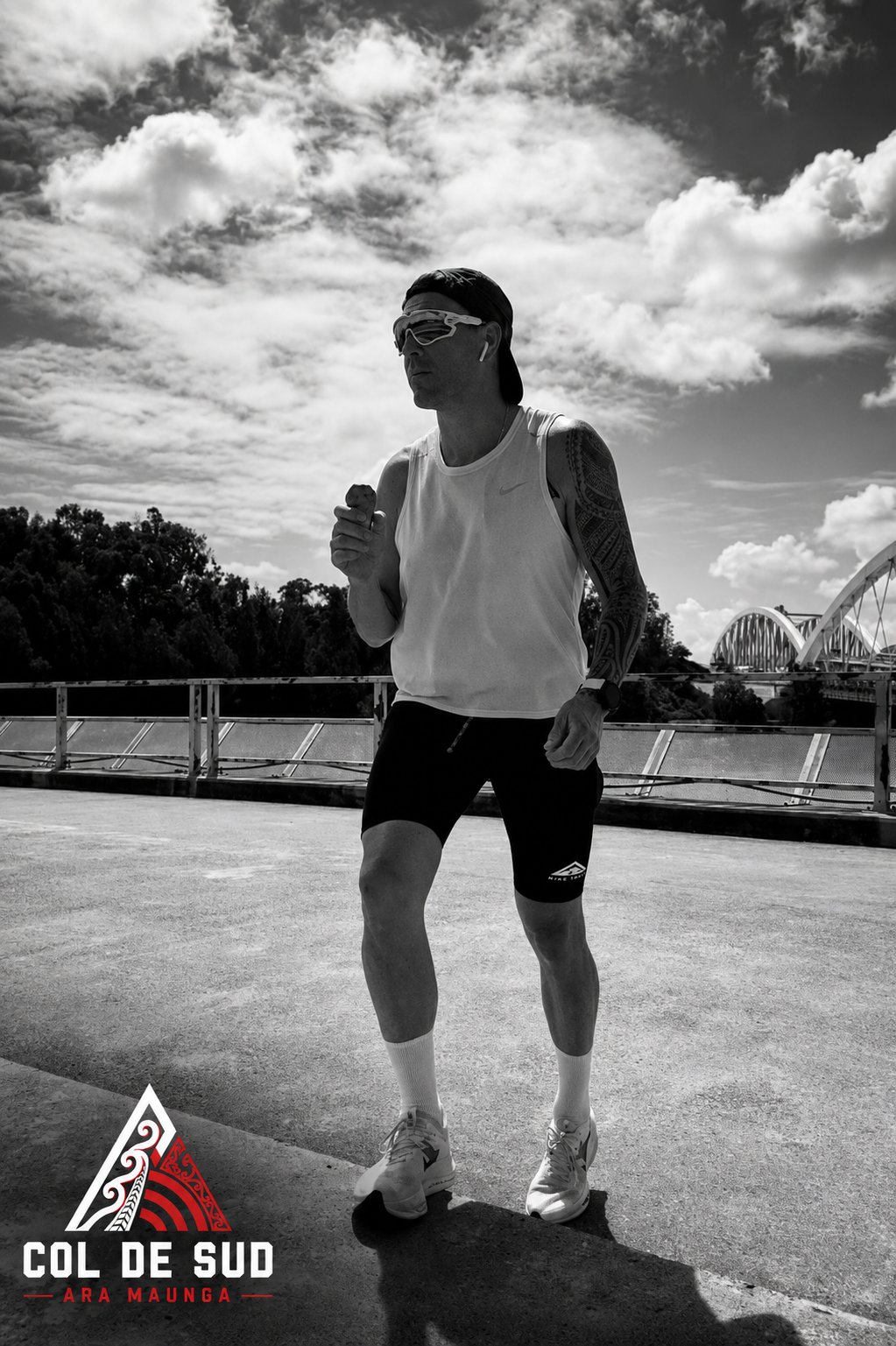
Phillipe Cossey
Runner. Cyclist. Triathlete. Founder of Col de Sud.
I believe endurance sport isn't just about racing faster.
It's about becoming stronger through the process.
I've spent years training for endurance events, learning through experience, embracing consistency and discovering that every athlete has their own mountain to climb.
The Col de Sud Journal is where I share those lessons to help others enjoy the journey.
— Your next step
Ready to climb
your mountain?
Every athlete has different goals, different schedules and different challenges.
Whether you're training for your first 10km, your next marathon, a Gran Fondo or an Ironman, I'll build a personalised TrainingPeaks program around your lifestyle, experience and goals.
— Your next event
Know your zones.
Build your plan.
Your training zones are the starting point. We can help you turn them into a structured plan built around your goal, your schedule and the life happening around your training.