Philosophy
The Col de Sud
Philosophy
A belief that coaching is about far more than training plans. It's about helping people discover what's possible through endurance sport.
— Why I Coach
Why I Coach
I don't coach because I enjoy writing training plans. I coach because I know what endurance sport can do for a person.
It can build confidence. It can teach patience. It can create resilience. It can change the way we approach every challenge in life.
I've lived this sport for most of my life. I started athletics when I was four years old. Road cycling at eleven. My first triathlon at twelve.
As a teenager my days started before sunrise. I'd wake at four in the morning, catch the train into Auckland to swim with Rick Wells' squad, swim five or six kilometres, travel home, go to school and then head straight back out to train again. Cycling became my world.
Then, at twenty-two, everything changed. Losing my sight took me away from the sport I loved. For a long time I carried anger.
Eventually I found something much simpler. The joy of riding a bike again. The joy of putting on running shoes. The joy of simply moving.
That's when I realised endurance sport wasn't just about performance anymore. It had become something much bigger.
Looking back now, I often think about the younger version of myself. The athlete who desperately wanted to improve. The athlete who made mistakes because he simply didn't know any better.
I wish I'd had someone like the coach I needed back then. Someone to guide me. Someone to challenge me. Someone to remind me that progress isn't always measured by a stopwatch.
That's the coach I try to be today.
— What I Believe
What I Believe
I believe coaching is a partnership. I don't simply coach athletes. I grow alongside them.
I hope I can help every athlete become stronger, more confident and more resilient. At the same time, every athlete I work with teaches me something too. The best coaching relationships go both ways.
I believe endurance sport should fit around your life. Not replace it.
As a father of three, I understand the reality of balancing work, family and training. Life changes. Goals change. Training should change too.
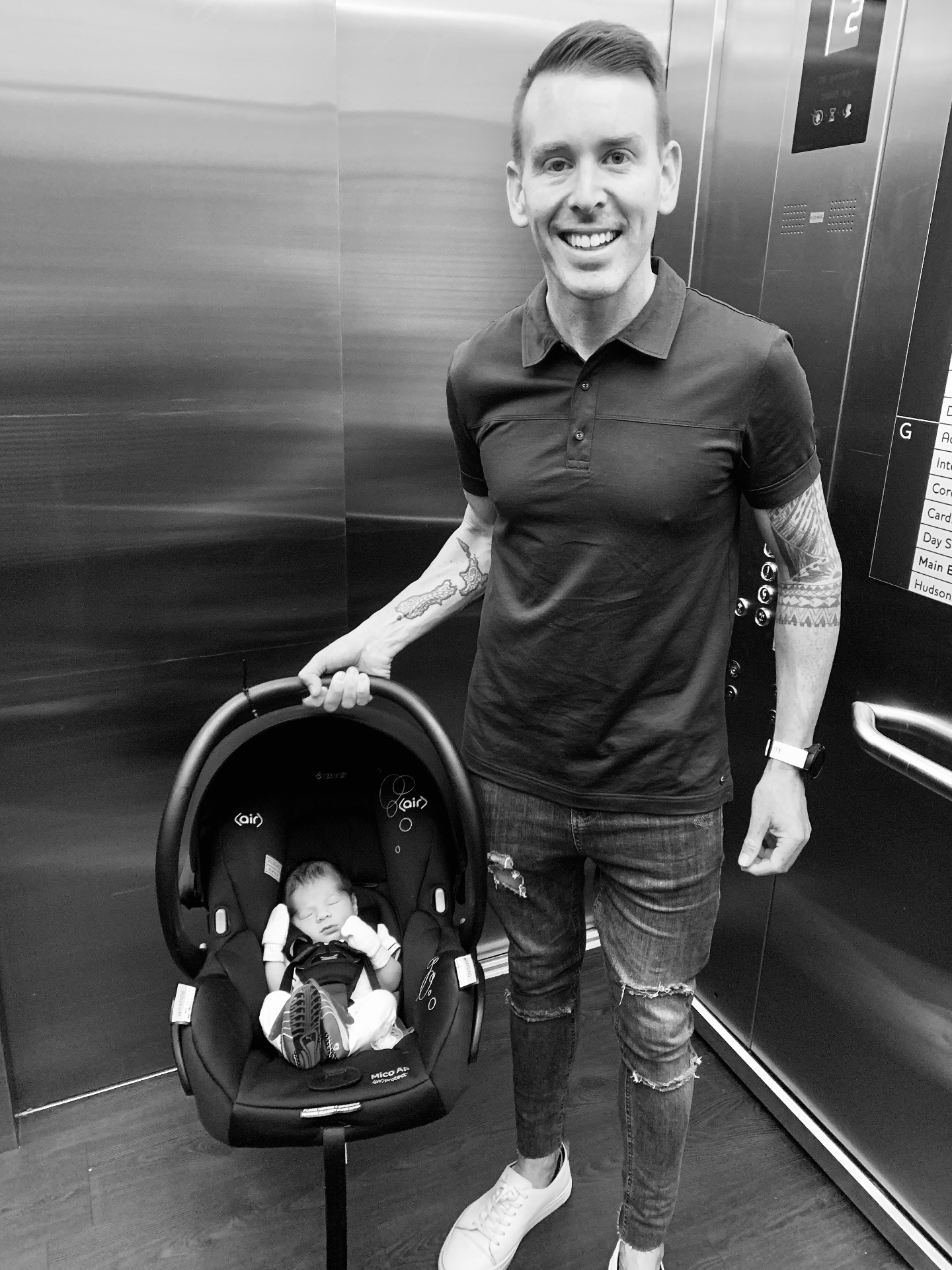
That's why I don't believe in rigid programs. I believe in coaching that adapts alongside the athlete.
Most of all, I believe everyone is capable of more than they realise. Sometimes they simply need someone to help them see it.
— Who I Coach
Who I Coach
I work with everyday athletes who are committed to becoming better, not just faster. Some are preparing for their first event. Some are chasing a personal best. Others are taking on their next Ironman.
What they have in common isn't experience.
It's commitment.
They show up. They trust the process. They understand that meaningful progress takes time.
If you believe you're capable of more, I'd love to help you discover what's possible.
— The Coaching Relationship
What You Can Expect From Me
Honest communication
I believe good coaching starts with honest conversations. I’ll celebrate your wins, but I’ll also tell you when something needs to change. If you’re training too hard, I’ll say it. If you’re capable of more than you think, I’ll tell you that too.
My role isn’t to tell you what you want to hear. It’s to help you become the athlete you’re capable of becoming through honesty, trust and respect.
Individual coaching
No two athletes are the same. Your coaching should reflect your goals, your experience, your family, your work and your life outside of sport.
Whether you’re preparing for your first event or your next Ironman, your training will be built around you—not around a generic template. Because I coach people first and athletes second.
Accountability
Motivation comes and goes. Consistency is what creates lasting results.
I’m here to keep you accountable, especially on the days when training feels difficult or life gets busy. Sometimes that means adjusting the plan. Sometimes it means reminding you why you started. Either way, we’ll keep moving forward together.
Consistency over perfection
There is no perfect training week.
Life happens. Work becomes busy. Kids get sick. Plans change.
Progress comes from showing up consistently over months and years, not from chasing perfection for a few weeks. I’d rather see you complete most of your training consistently than try to do everything perfectly and burn out.
Long-term development
I’m not interested in quick fixes. My goal is to help you become a stronger, healthier and more resilient athlete for years to come.
That means building patiently, learning from every training block and adapting as your goals evolve.
The best athletes aren’t built in twelve weeks. They’re built over time.
— The Coaching Relationship
What I Expect From You
Commitment
I don’t expect perfection. I do expect commitment.
Show up. Trust the process. Do the work you’re capable of doing each week.
If you’re willing to invest in yourself, I’ll invest everything I have into helping you become the athlete you want to be.
Trust
Coaching works best when it’s built on trust. Trust takes time.
There will be sessions that feel too easy and others that challenge you more than expected. My job is to see the bigger picture, even when it’s hard to see yourself.
Trust the process and we’ll build something together that’s bigger than one race or one season.
Communication
Life doesn’t stop because you’re training. Tell me when work is overwhelming. Tell me when you’re struggling. Tell me when you’re feeling great.
The more openly we communicate, the better I can adapt your training to fit your life. I’d much rather adjust a plan than see you trying to force one that no longer works.
Patience
Endurance sport rewards patience. There are no shortcuts.
Fitness takes time. Confidence takes time. Resilience takes time.
The athletes who achieve the most aren’t always the most talented. They’re often the ones who stay patient when progress feels slow.
Respect
Respect goes both ways. I’ll respect your time, your goals and your commitment. In return, I ask that you respect the coaching process and the work required to achieve meaningful results.
We’re a team. The best coaching relationships are built on mutual respect.
— The Bigger Picture
More Than A Training Plan
Every athlete has a mountain.
Sometimes it's a marathon. Sometimes it's rebuilding confidence after injury. Sometimes it's balancing training with work and family.
My role isn't simply to write workouts. It's to guide you through the entire journey.
Training.
Mindset.
Consistency.
Perspective.
Because the best coaching is about people, not just performance.
Our Journey Starts Here
The best coaching relationships aren’t built on training plans. They’re built on trust, shared commitment and a belief that we’re capable of more than we imagine.
Whether you’re preparing for your first event, chasing a personal best or taking on your biggest endurance challenge yet, we’ll build a plan that fits your life and helps you become the athlete—and person—you want to be.
If you’re ready to begin that journey, I’d be honoured to be part of it.