
Journal · Mindset
The Day Endurance Sport
Stopped Being About Performance.
There was a time when I believed endurance sport was all about performance.
Then life had a way of changing what success looked like.
There was a time when I believed endurance sport was all about performance. Training harder. Racing faster. Standing on podiums. Setting personal bests.
For years, that was enough. Every session had a purpose. Every race had a target. Every number on my watch mattered.
Looking back, I realise I spent a long time measuring my worth by my performance. The faster I became, the more successful I believed I was becoming.
But life has a way of changing what success looks like.
Then life became heavier. Work became more demanding. Relationships changed. Responsibilities grew.
Like many people, I became very good at pretending everything was fine. From the outside, it probably looked like I had everything under control.
Inside, I didn't.
Eventually, I reached a point where I knew I couldn't keep carrying everything on my own. The strongest decision I ever made wasn't entering another race.
It was asking for help.
Working with a psychologist changed my life. Not overnight. Not with one conversation. But slowly, week after week, conversation after conversation.
I began understanding parts of myself that I'd spent years avoiding. That work gave me tools I'll carry for the rest of my life.
Endurance sport didn't replace that journey. It became part of it.
People often say exercise is good for your mental health. I agree. But I think we need to be careful about how we say it.
Endurance training isn't a cure for depression. It won't replace therapy. It won't replace difficult conversations. It won't replace the support of family or friends.
But for many people, including me, it can become an important part of looking after yourself. It creates routine when life feels chaotic. It provides an outlet when your mind feels full. It gives you an hour away from emails, notifications and expectations.
Sometimes I'd begin a ride with my mind full of noise. I'd finish with exactly the same problems. But somehow they felt smaller.
Not because they'd disappeared. Because I'd found enough clarity to face them.
The older I've become, the more I've realised I don't train for races anymore. At least not entirely. I train because I know how I feel afterwards. A little calmer. A little clearer. A little more patient. A little more present.
Training has become less about proving something to other people and more about looking after myself.
Ironically, that's probably made me a better athlete.
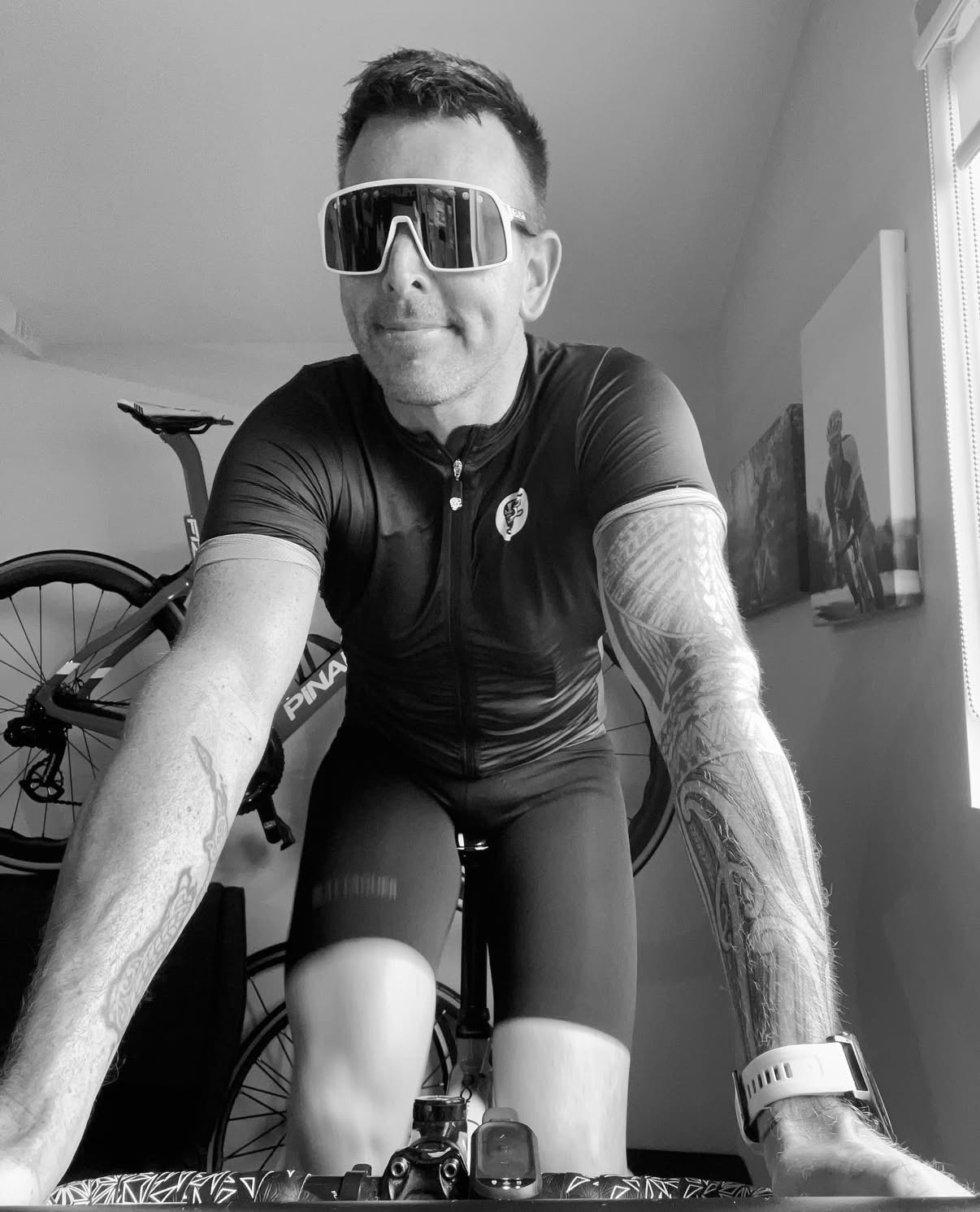
As a coach, I've realised something else. Very few athletes train only because they want to become fitter.
Some train because they're chasing a finish line. Some because they need structure. Some because they want confidence. Some because they simply need one hour where life becomes quieter.
Every reason is valid.
That's why I don't coach people simply to help them race faster. I coach people because I believe endurance sport can help us become stronger in ways that have nothing to do with pace or power.
The resilience you build during training doesn't stay on the road. It follows you home. Into your work. Into your relationships. Into the difficult conversations. Into the days that ask more of you than you thought you had to give.
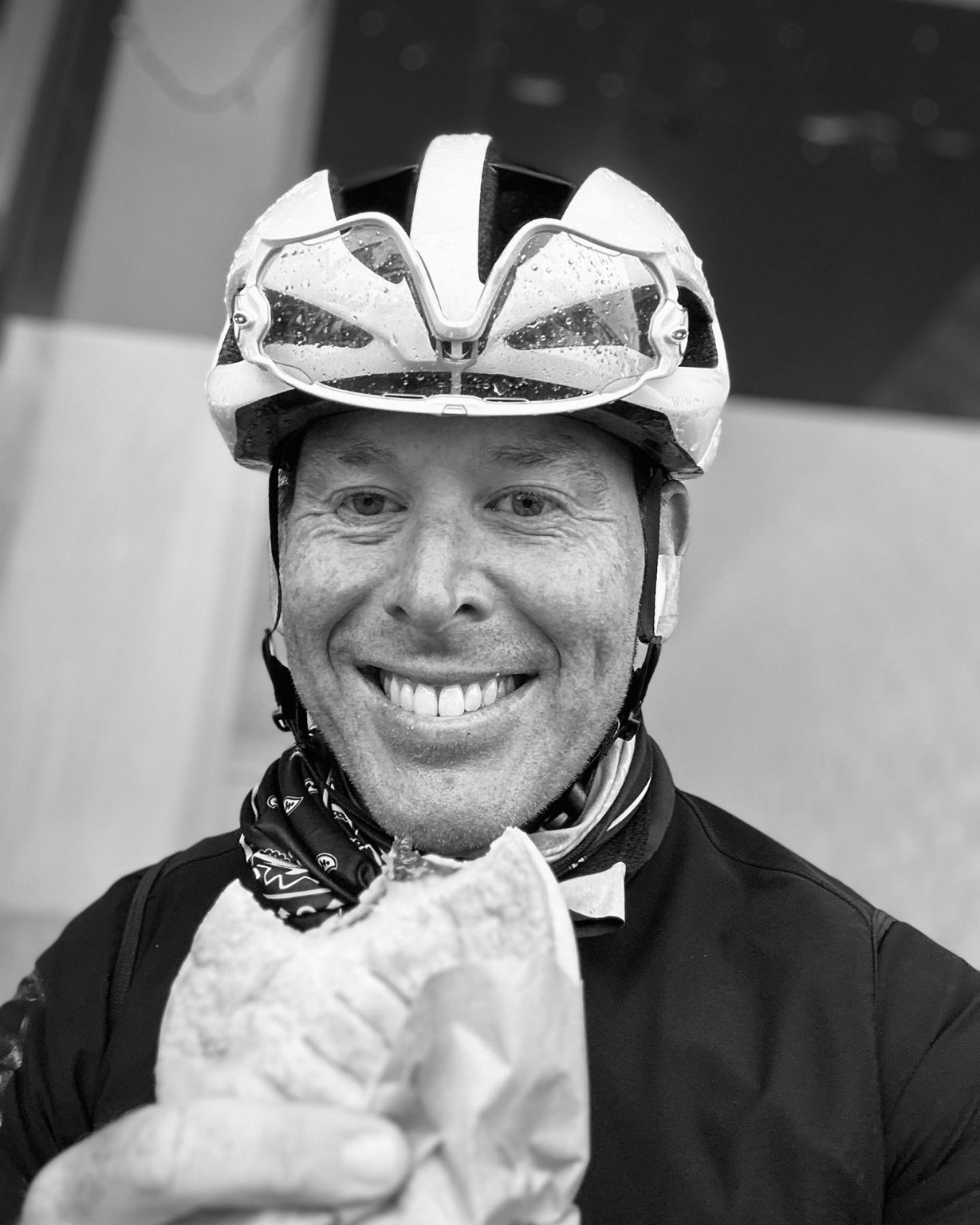
Today, I still love racing. I still enjoy setting goals. I still want to improve.
But performance is no longer the reason I train.
These days I train because I know what endurance sport gives back. Perspective. Routine. Resilience. Clarity. Balance.
The kilometres don't solve my problems. But they remind me that I can keep moving forward. One step. One ride. One day at a time.
If You're Struggling
If you're struggling with your mental health, please know this. You don't have to carry it alone.
Training can be a powerful part of looking after yourself, but it isn't a replacement for professional support.
Sometimes the bravest thing we can do isn't heading out for another run. It's asking for help.
I know. Because it changed my life.
The day endurance sport stopped being about performance
was the day it started changing my life.
— Phillipe Cossey
Founder · Col de Sud, Ara Maunga
Continue Your Journey
More than a
training plan.
If this story resonated with you and you're looking for coaching that focuses on more than just training plans, I'd love to hear your story too.
Whether you're preparing for your first event, returning after time away from sport or simply looking for guidance, let's start with a conversation.
— About the author
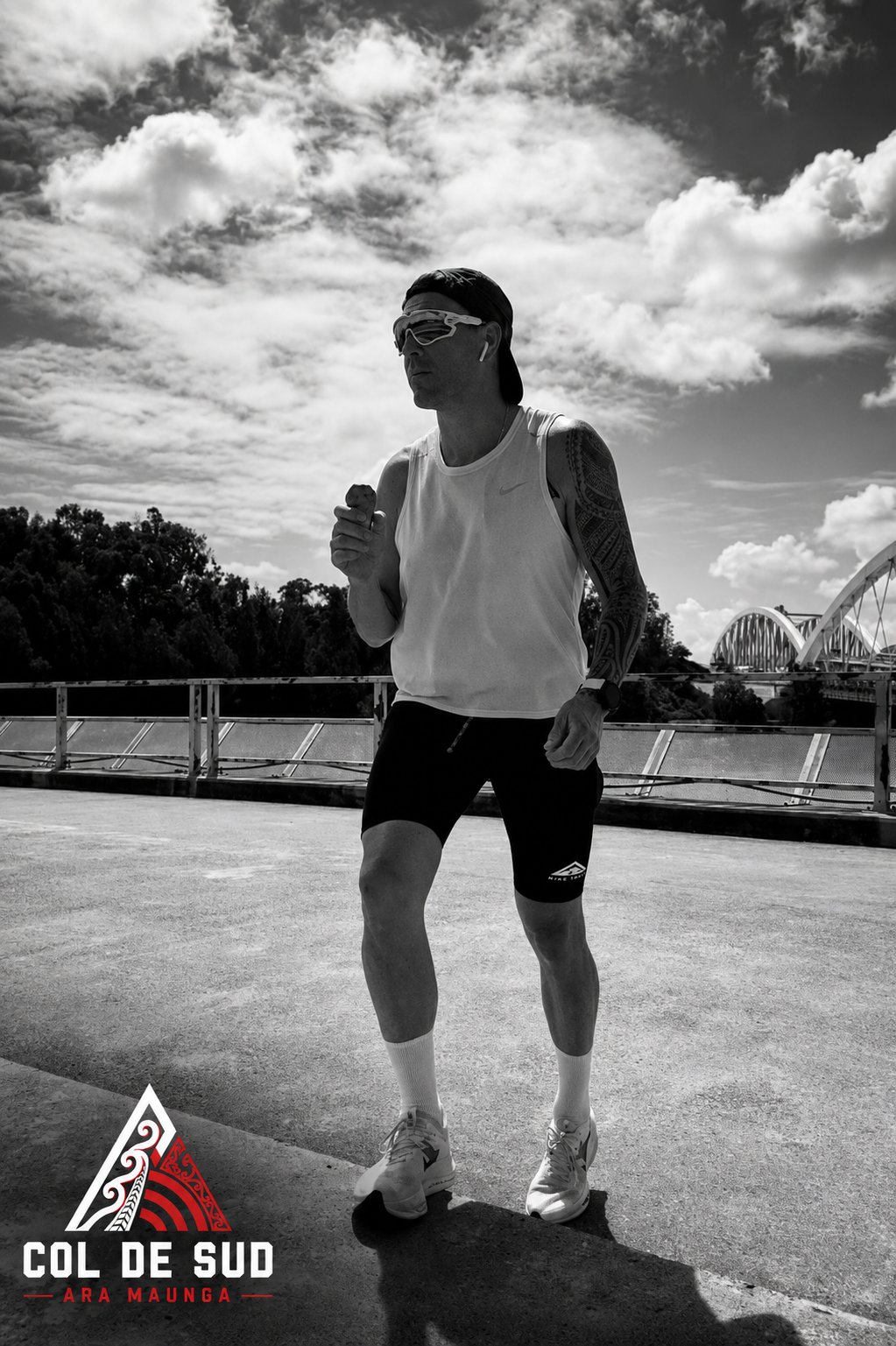
Phillipe Cossey
Runner. Cyclist. Triathlete. Founder of Col de Sud.
I believe endurance sport isn't just about racing faster.
It's about becoming stronger through the process.
I've spent years training for endurance events, learning through experience, embracing consistency and discovering that every athlete has their own mountain to climb.
The Col de Sud Journal is where I share those lessons to help others enjoy the journey.
— Your next step
Ready to climb
your mountain?
Every athlete has different goals, different schedules and different challenges.
Whether you're training for your first 10km, your next marathon, a Gran Fondo or an Ironman, I'll build a personalised TrainingPeaks program around your lifestyle, experience and goals.